
Single-axle dump
about 10 cubic yards
These are typical box volume defaults for planning. Actual legal payload varies a lot with tractor and trailer empty weight, axle configuration, route/bridge limits, and whether the carrier is running an overweight permit.
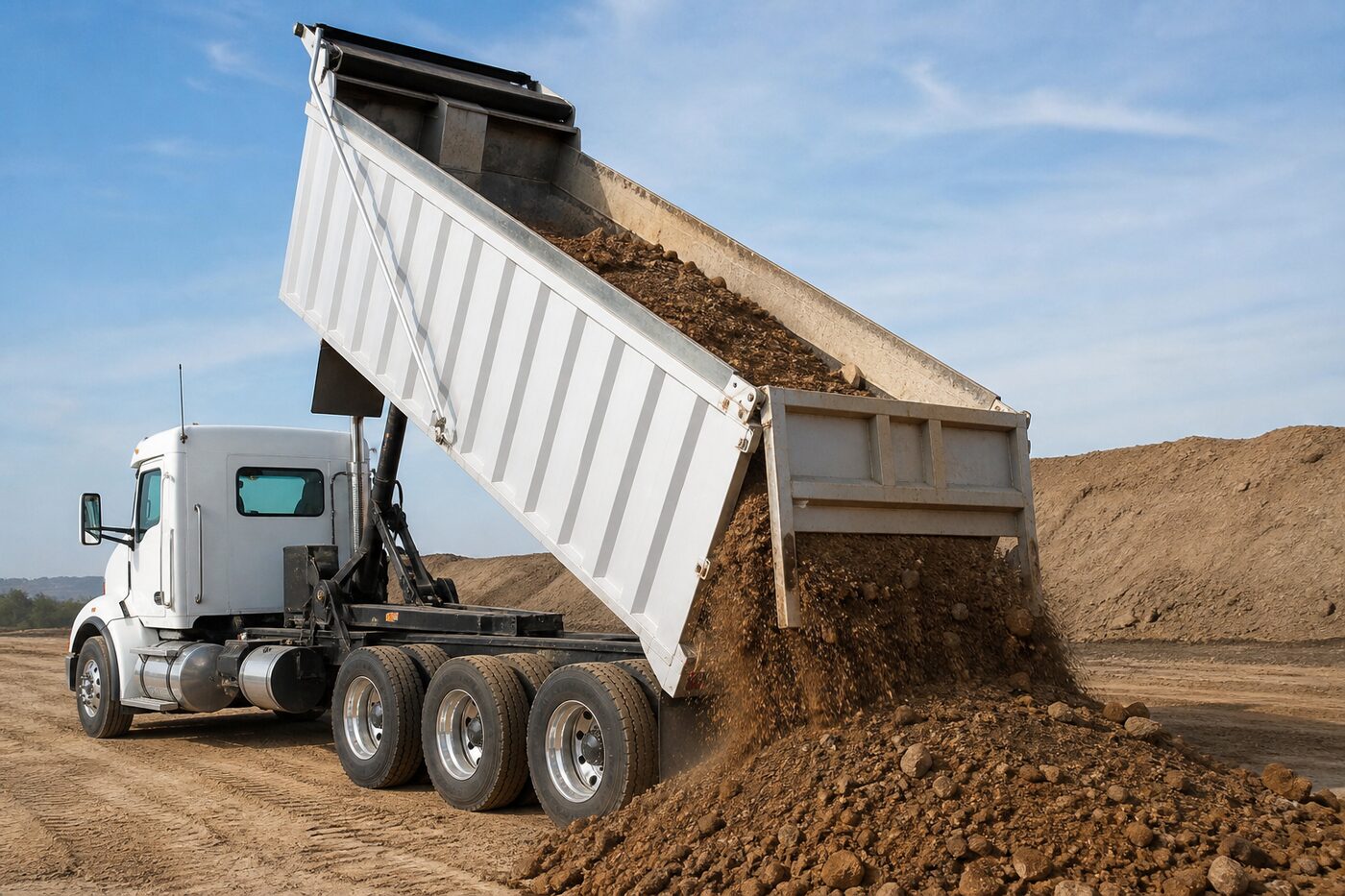
about 10 cubic yards
about 14 cubic yards
about 16 cubic yards
about 18 cubic yards
Each trailer dumps differently — end off the rear, side off the flank, belly through the floor.
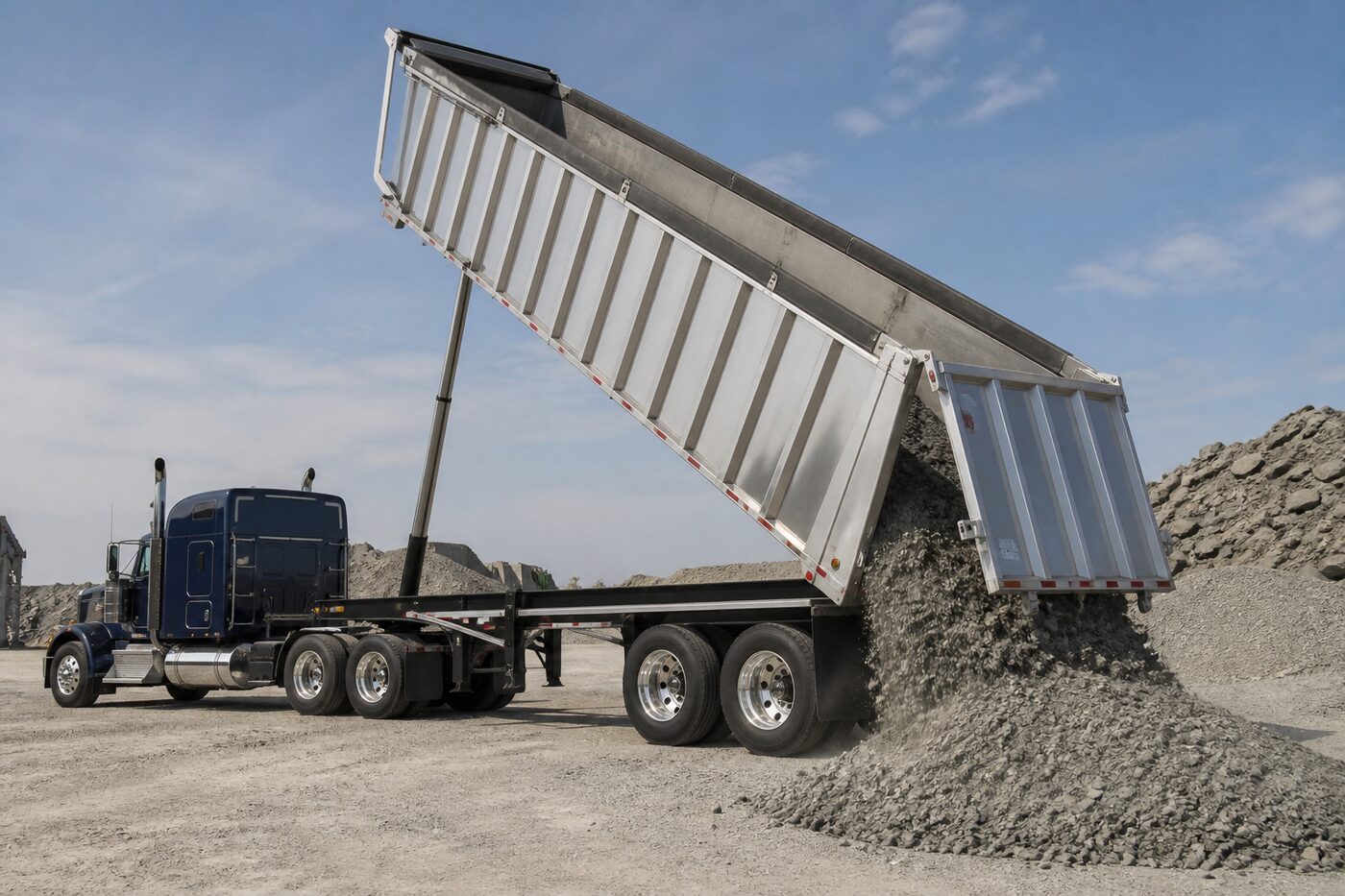
about 26 cubic yards
Bed lifts and material dumps off the rear — usually a bit more usable box volume than a side dump.
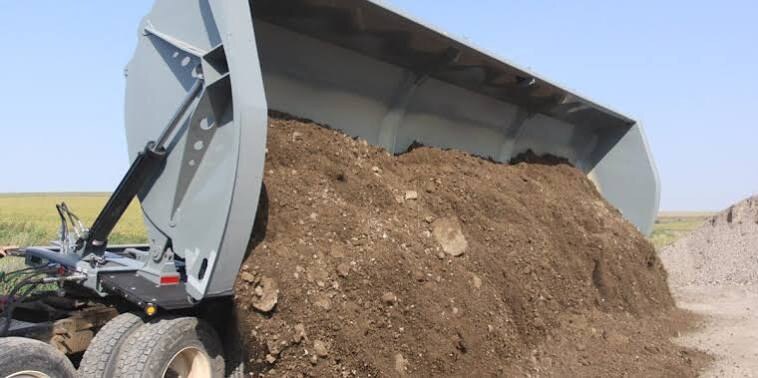
about 24 cubic yards
Tub is hinged on the dump side; the far side lifts and material rolls out over the hinge. Frames/hydraulics can eat a little internal space.
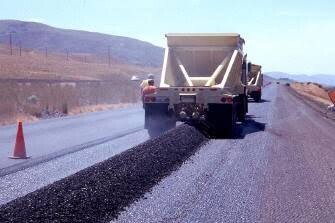
about 24 cubic yards
Planning capacity is typically near side dumps. Unloads through bottom hopper gates into a windrow.
Dense materials (road base, wet rock, RAP) are often weight-limited long before the box is full. A lighter truck/trailer combo can haul more payload tons than a heavy one under the same legal gross. Carriers with overweight permits may legally haul more than standard limits — but that is carrier- and route-specific. Ask your hauler what they actually put on that truck.
Typical box volumes we use for planning: single-axle ~10, tandem ~14, tri-axle ~16, quad ~18 yd³. Semi end dumps are often ~26 yd³; side and belly dumps ~24 yd³. Real payload may be lower when weight-limited.
End dumps raise the bed and unload off the rear. Side dumps tip the tub over a side hinge. Belly dumps open bottom gates and lay a windrow while rolling.
Dense materials (road base, wet rock, RAP) often hit legal gross weight before the box is full. Empty tractor/trailer weight and overweight permits matter.